Wu-Yi Mountain and Wu-Yi Oolong tea
The Wu-Yi mountain area is not only still the heartland of today’s premium Wu-yi Oolong tea production, it has also many local unique specialities that cannot be matched elsewhere. Wu…

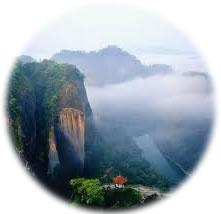
The Wu-Yi mountain area is not only still the heartland of today’s premium Wu-yi Oolong tea production, it has also many local unique specialities that cannot be matched elsewhere. Wu…
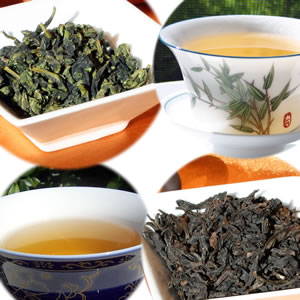
Oolong tea is a family of teas Like all other categories of teas, Oolong tea is a family – classified as teas that are semi-fermented, sitting between the un_fermented green…

Many Oolong teas have two harvest seasons, spring and autumn. Unlike green, white or yellow teas that predominantly use young tip leaves (the proportion of young leaves being a good…
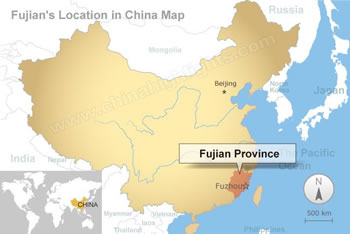
There are various theories regarding the origin of the Chinese Oolong teas. It is widely agreed that the Fu-Jian province of Southern China is its birth place with some folk…
Unlike other classes of Chinese teas that have many equal members in the family, white teas are ranked and labelled by a quality hierarchy as follows: Top grade – Silver…
Milk and tea: For those who seek to enjoy the full health benefits of green teas, including weight loss, do NOT add milk! Milk’s counter effect is more than just…
Green Tea originated from China. It was brought to Japan by a Japanese Buddhist monk in around 1191. Although the majority of the characteristics of green tea have been preserved,…

Three basic stages of making Chinese green teas: Evaporating ‘greenness’ (杀青): a process using high temperature to stop the functions of enzymes naturally contained in the fresh green tea leaves. …

All conventional teas (with the exception of herbal teas) are made from a species of plant called Camellia sinensis. Premium green teas are made from the very young tea leaves…
© 2025 Valley Green Tea. All rights reserved.