Production of Oolong tea
By Valley Green Tea
Posted On June 6, 2011
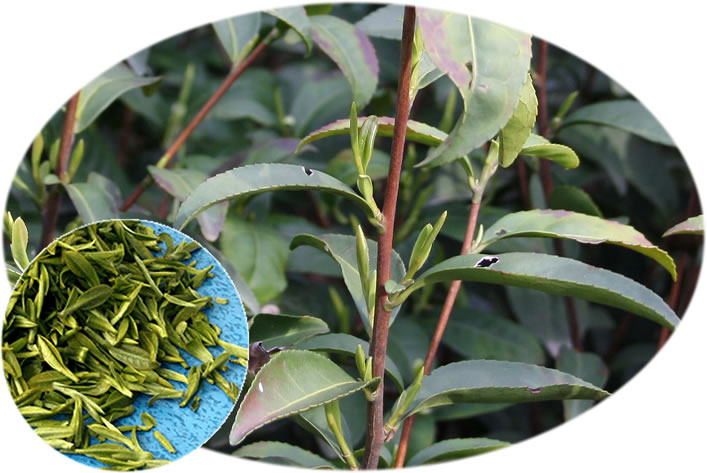
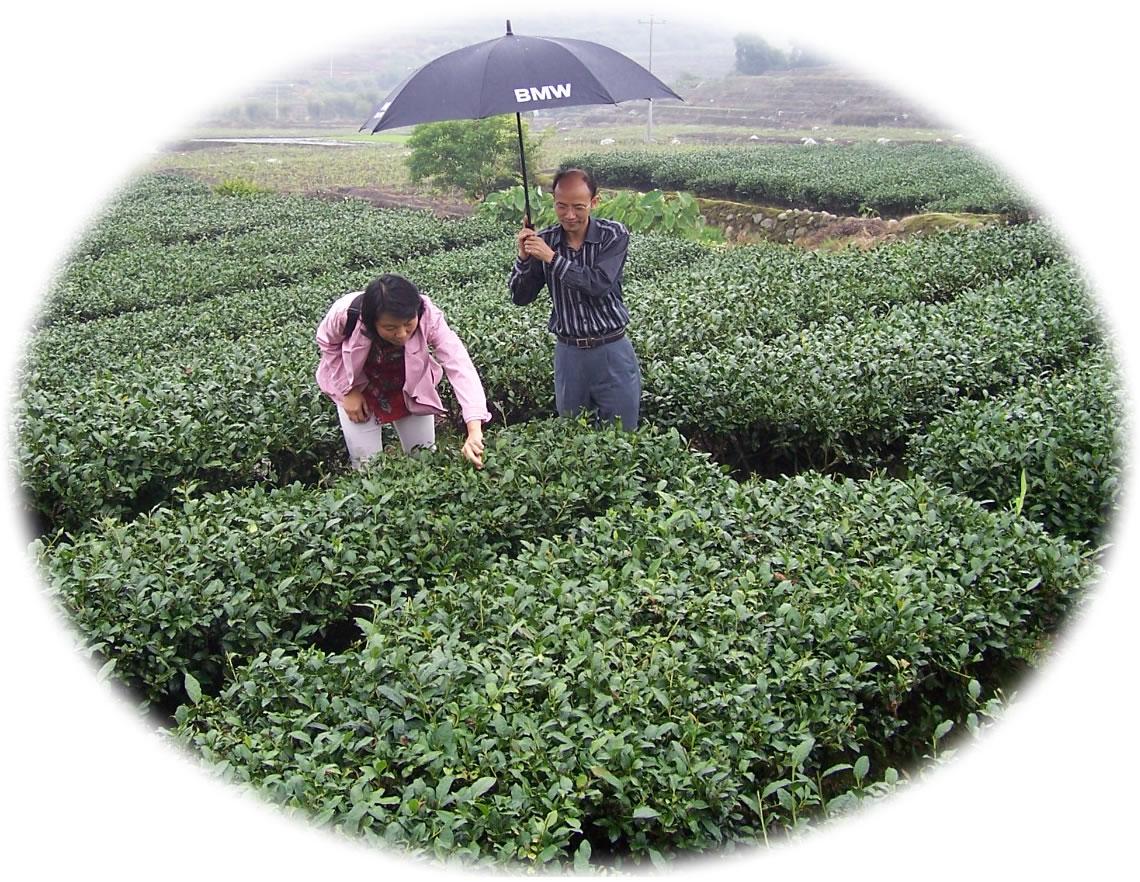 Many Oolong teas have two harvest seasons, spring and autumn. Unlike green, white or yellow teas that predominantly use young tip leaves (the proportion of young leaves being a good indicator of the tea quality), Oolong teas are made of bigger and relatively more mature leaves. The Oolong tea’s harvest time is also slightly later in the spring.
Once the tea leaves are harvested, they undergo various stages of processing including a step during which the tea leaves are left to ferment naturally. The degree of fermentation varies depending on the tea types, but is carefully controlled by the tea masters
Similar to other Chinese teas, Oolong tea production is extremely geographical, as the tea plant species are highly sensitive to many natural factors such as: sunlight, temperature, altitude of the plantation, rain fall, soil conditions etc. The timing of the harvest is also crucial in order ensure the leaves are plucked in their premium state.
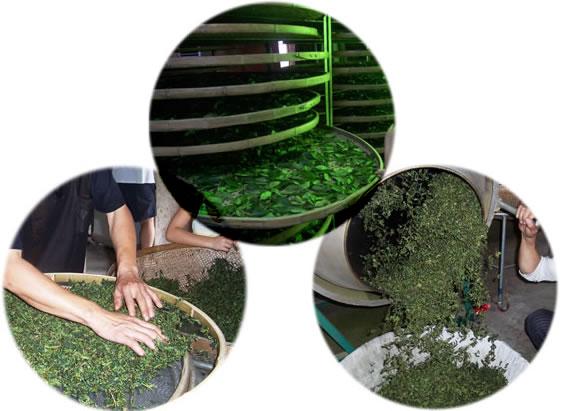
Oolong tea making processes are delicate and skilful. During the tea harvesting season, the work is around the clock. The leaves are picked during the day, withered and then fermented. They then go through a process of being shaped and dehydrated, some steps being repeated many times.
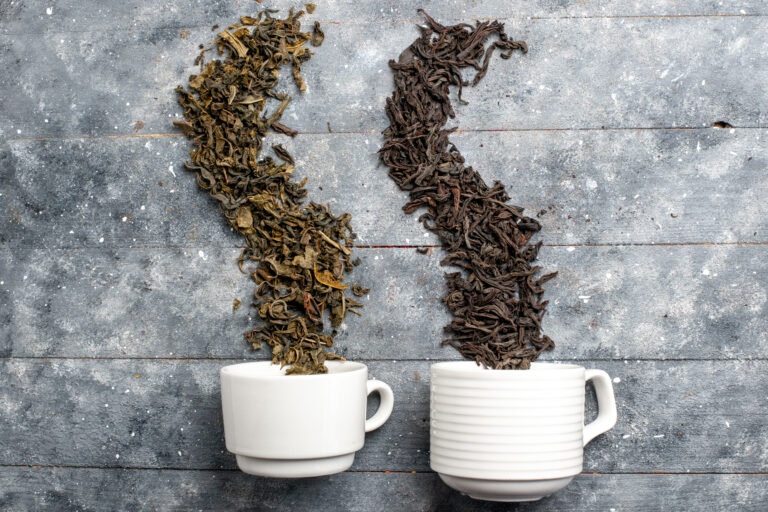
The final products are very distinctive in their appearance, some stretched and loose and others tightly rolled and greenish in colour for the ones less fermented and brownish red for those more fermented and roasted.
Recent Articles
-
Can I drink white tea every day?
Absolutely! The Chinese say it is Ok not to have food for 3 days, but not without tea for a day. Like all other Chinese teas, green tea, yellow tea,…
-
Pu-erh white frost vs mould
I was again approached by a customer today to say there was some ‘mould’ discovered on an aged Pu-erh tea cake received, which is actually the ‘white frost’. I thought…
-
Is Ok to drink green tea every day?
Green tea has had a consumption history in China for more than 2000 years. The Chinese say “it is Ok to go with food for 3 days, but not without…
-
Is it Ok to drink Jasmine tea every day
Absolutely. Jasmine tea has been consumed in China for nearly 800 years, especially in certain regions such as the Fuzhou area of the Fujian province. Tea is food in China….
-
Green teas handmade vs machine-made
Green teas have been traditional hand made in China and Japan for millenniums. It is labor intensive and inevitably keeping the tea prices up. I have recently visited a green…
-
How to tell a Pu-erh quality by its wet leaves
A well aged Pu-erh tea is a sought-after product in the Pu-erh community. There are various methods however to make a Pu-erh tea looking like aged, eg high temperature &…