Various aspects of teas being seasonal
By Valley Green Tea
Posted On February 20, 2017
When talk about seasonal tea, people immediately associate it with the teas harvested during the last harvest season.
Seasonal production of the teas
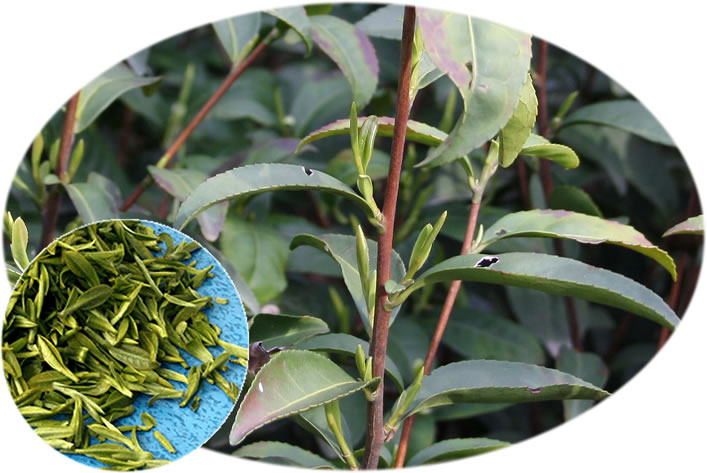
In China, the Qing-Ming ( 清明) season which is normally around the early April is the main season for tea harvesting. The pre-Qing-Ming teas are of higher value as the tea leaves grow in colder weather conditions, taking longer to grow, storing more nutrients with richer flavour. The harvest season can last through May. The later the leaves are harvested, the warmer the weather conditions are and the faster the leaves grow. The teas made of the later leaves are however not as rich and delicate in flavour as the early flushes. Apart from the spring harvest (Qing-Ming harvest), many tea farms also harvest a crop in Autumn. The teas made of the autumn leaves are often not as delicate and refreshing, but may suite certain tea production, such as scented teas, or Oolong teas made of mature leaves.
Seasonal consumption of the teas
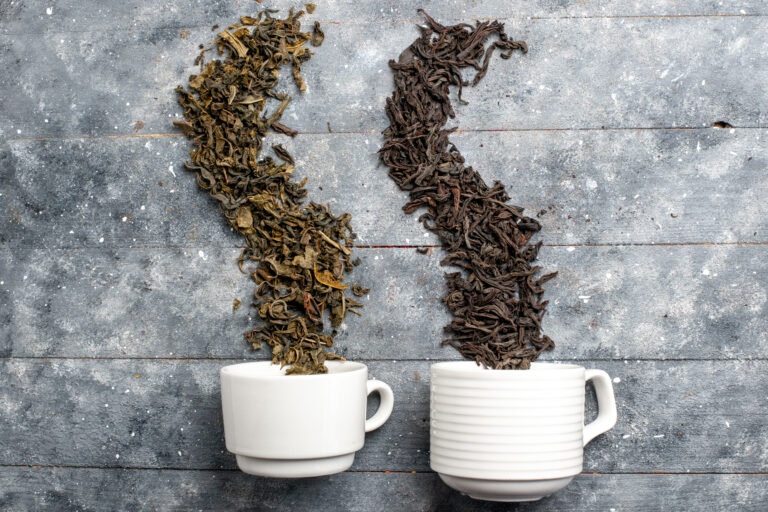
There is also another aspect of teas being seasonal that is not talked about as much, which is its consumption. Tea consumption in China is very geographical. The art and history of tea making is finely turned to suite the local diets and climate conditions. The non-fermented green teas and lightly fermented white teas are light and refreshing, much favoured in areas where the weather conditions are warm and humid. The more fermented teas such as black and ripened pu-erh teas on the other hand, are more appreciated in cooler areas where heavier diets are consumed. The fermented teas are smoother in texture and known to aid digestion.
If you however have the luxury to have a collection of teas (like we all do these days), soon you will find that different teas have different best uses: summer teas vs winter teas, morning tea vs afternoon teas, teas to drink after meals vs teas drink between meals, teas to drink with snacks vs teas to drink on their own and many more combinations and occasions.
One thing to remember, teas are to be enjoyed and premium teas are highly enjoyable.
Recent Articles
-
Can I drink white tea every day?
Absolutely! The Chinese say it is Ok not to have food for 3 days, but not without tea for a day. Like all other Chinese teas, green tea, yellow tea,…
-
Pu-erh white frost vs mould
I was again approached by a customer today to say there was some ‘mould’ discovered on an aged Pu-erh tea cake received, which is actually the ‘white frost’. I thought…
-
Is Ok to drink green tea every day?
Green tea has had a consumption history in China for more than 2000 years. The Chinese say “it is Ok to go with food for 3 days, but not without…
-
Is it Ok to drink Jasmine tea every day
Absolutely. Jasmine tea has been consumed in China for nearly 800 years, especially in certain regions such as the Fuzhou area of the Fujian province. Tea is food in China….
-
Green teas handmade vs machine-made
Green teas have been traditional hand made in China and Japan for millenniums. It is labor intensive and inevitably keeping the tea prices up. I have recently visited a green…
-
How to tell a Pu-erh quality by its wet leaves
A well aged Pu-erh tea is a sought-after product in the Pu-erh community. There are various methods however to make a Pu-erh tea looking like aged, eg high temperature &…