Tea look matters
By Valley Green Tea
Posted On August 4, 2019
The Chinese traditional wisdom has always told me that ‘you cannot judge a person by his/her appearance’ (人不可貌相).
How is the look of a tea associated with its quality
 I was reading a tea book (one of my earliest tea books) quite some time ago on how to assess the quality of different green teas. Each and every one started from the ‘look’ of a tea – a good tea has to have the right shape. I puzzled for a long time trying to understand how the look of a tea can make it taste better.
A few years later, I visited a family at Dong-Shan (Eastern Hill) of the Tai Lake where the best Bi-Luo-Chun has been historically produced. It all made sense after a day’s visit.
The production of DongTing Bi-Luo-Chun at Dong-Shan is still family based. Of the crops produced each year, they are graded/priced by the strict timing of the harvest – the earlier (of the spring season) a tea is harvested , the better the quality and therefore the higher price. All family members are involved in the tea harvesting, but the priciest tea leaves are only processed by the most experienced family members (the mother and father of the family in this case). The less experienced members only get to practice on the less valuable tea leaves until they become as experienced.
The link between the quality of a tea and its appearance
The link between the quality and the appearance is therefore:
The better the quality of the raw materials -> more likely to have a more experienced/skillful person to process it -> more likely for the end product to have all the right qualities including the appearance.
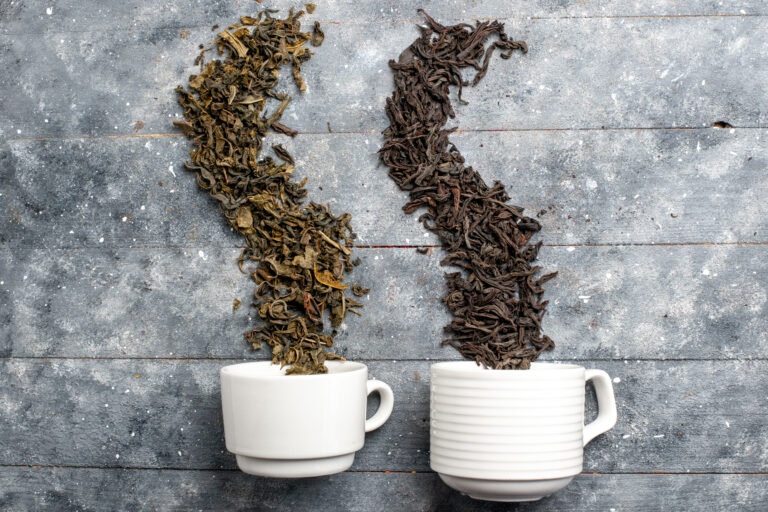
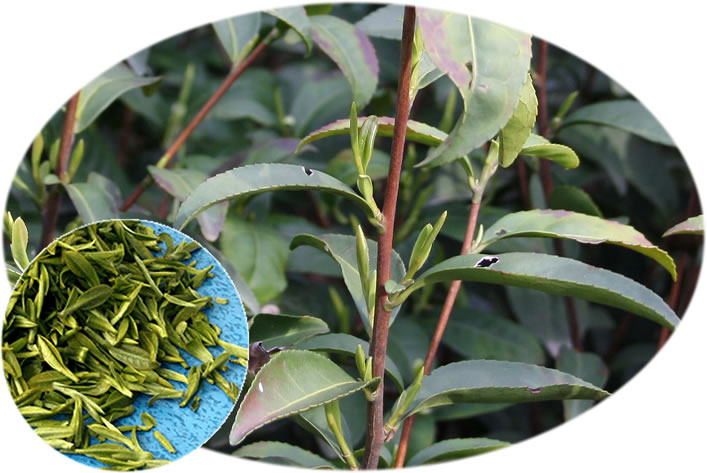
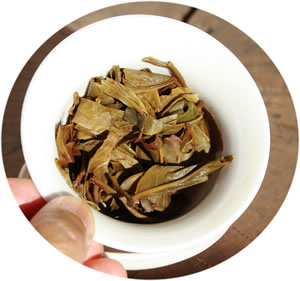
This is the very reason that the shape of the tea is mentioned frequently in the quality assessment, for example: a Dragon Well green tea has to be yellowish green and tight flat; A Taiwan High mountain rolled Oolong has to be dark green and in tight rolled pearls; A Pu-erh tea cake need to be firm with regular edge etc.
Other products with the same principle
With time I understand this also applies to other products with high level manual/skill work, such as Yixing Zisha teapots. The experienced Zisha artists will not spend time and effort working on the low quality clay, and the inexperienced ‘starters’ do not often get to work on the premium Zisha clay.
Recent Articles
-
Can I drink white tea every day?
Absolutely! The Chinese say it is Ok not to have food for 3 days, but not without tea for a day. Like all other Chinese teas, green tea, yellow tea,…
-
Pu-erh white frost vs mould
I was again approached by a customer today to say there was some ‘mould’ discovered on an aged Pu-erh tea cake received, which is actually the ‘white frost’. I thought…
-
Is Ok to drink green tea every day?
Green tea has had a consumption history in China for more than 2000 years. The Chinese say “it is Ok to go with food for 3 days, but not without…
-
Is it Ok to drink Jasmine tea every day
Absolutely. Jasmine tea has been consumed in China for nearly 800 years, especially in certain regions such as the Fuzhou area of the Fujian province. Tea is food in China….
-
Green teas handmade vs machine-made
Green teas have been traditional hand made in China and Japan for millenniums. It is labor intensive and inevitably keeping the tea prices up. I have recently visited a green…
-
How to tell a Pu-erh quality by its wet leaves
A well aged Pu-erh tea is a sought-after product in the Pu-erh community. There are various methods however to make a Pu-erh tea looking like aged, eg high temperature &…