Tea and mediation
By Valley Green Tea
Posted On April 6, 2018
I grew up in China with tea being a food and a way of life. There is even a term for it: 口粮茶 – staple tea.
I have however often wondered as why tea is associated with meditation and other spiritual practices, in the past and today, China and abroad. After some reading recently, the connection is clear.
Tea and Buddhist diet
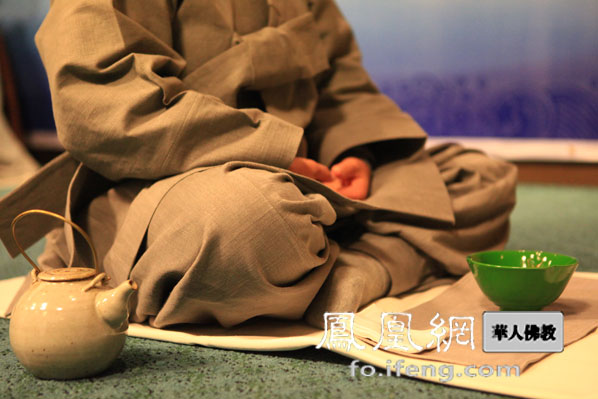 Buddhism was first introduced to China during the Han Dynasty and meditation was part of the core practice. Buddhist monks mediated for long periods day and night. Their diet was constituted of vegetarian and none-alcoholic ingredients. Tea was considered to be an essential for the purpose of enhancing the alertness during the meditation, health and well being and even long longevity by many Buddhist monks.
High mountain green teas
After the Buddhism was first introduced to China, the religion was flourishing and many temples were built on remote high mountains as a way of ‘entering’ an elevated spiritual space. The monks would immediately clear the land around the temples and start cultivating to generate the means for survival in such remote places. Tea was one of the essentials.
For example:
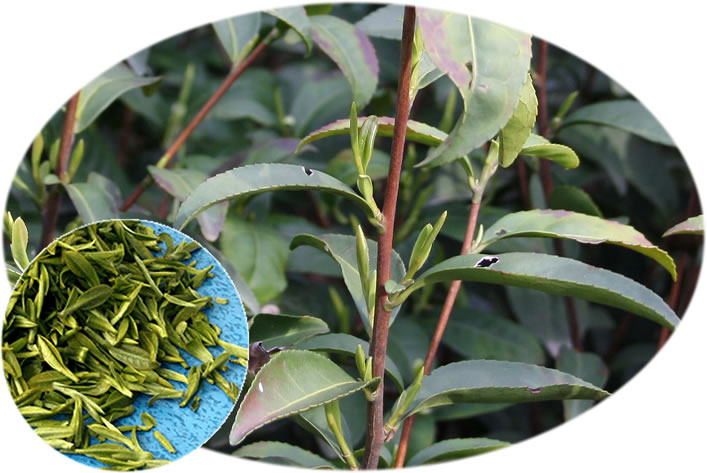
Lu Shan (Mt Lu) of the Jiang-Xi Province was once a major Buddhist centre. The famous Chinese green tea Lu Shan Yun Wu (Mt Lu misty green) is believed to be a speciality of a temple in Mt Lu, where the famous Buddhist monk Hui-Yuan lived for 30 years.
Tea’s other connections to Buddhism and Buddhist activities
- The most known tea legend Lu Yu was raised in a temple as an orphan since he was 3 years old
- The green tea seeds were first brought to Japan in 805 AD by a Japanese monk Zui-Cheng upon his return from a visit to the Chinese tramples. This marked the beginning of the Japanese green teas.
Tea is truly a fascinating product. Its historical significance is far beyond a merely daily beverage.
Recent Articles
-
Can I drink white tea every day?
Absolutely! The Chinese say it is Ok not to have food for 3 days, but not without tea for a day. Like all other Chinese teas, green tea, yellow tea,…
-
Pu-erh white frost vs mould
I was again approached by a customer today to say there was some ‘mould’ discovered on an aged Pu-erh tea cake received, which is actually the ‘white frost’. I thought…
-
Is Ok to drink green tea every day?
Green tea has had a consumption history in China for more than 2000 years. The Chinese say “it is Ok to go with food for 3 days, but not without…
-
Is it Ok to drink Jasmine tea every day
Absolutely. Jasmine tea has been consumed in China for nearly 800 years, especially in certain regions such as the Fuzhou area of the Fujian province. Tea is food in China….
-
Green teas handmade vs machine-made
Green teas have been traditional hand made in China and Japan for millenniums. It is labor intensive and inevitably keeping the tea prices up. I have recently visited a green…
-
How to tell a Pu-erh quality by its wet leaves
A well aged Pu-erh tea is a sought-after product in the Pu-erh community. There are various methods however to make a Pu-erh tea looking like aged, eg high temperature &…