Pu-erh tea nature and nurture
By Valley Green Tea
Posted On March 21, 2019
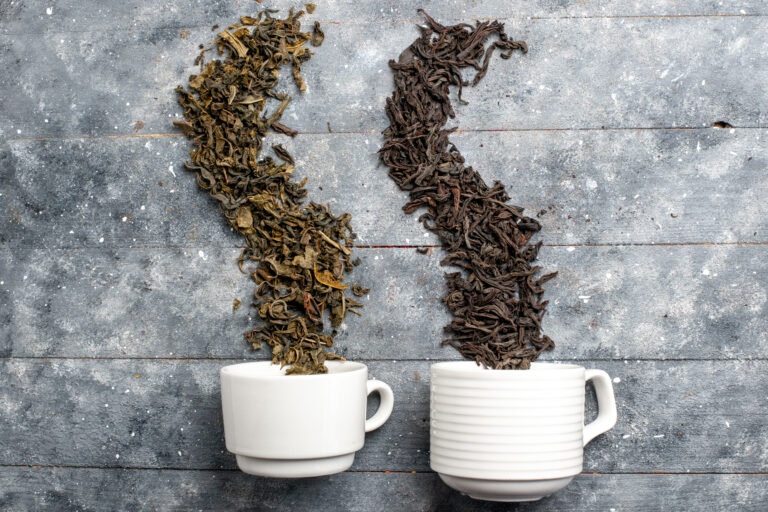
Pu-erh teas have two major sub-categories: raw (Sheng, uncooked) Pu-erh and ripened (Shou cooked) Pu-erh tea.
The common natures of the two sub-category Pu-erh tea
The common natures are:
- They both are produced from the arbor tea trees from the Yunnan Province
- They both are compressed (although there are loose teas available fro convenience purpose.
The differences of the two sub-category Pu-erh tea
The fundamental difference is that the ripened Pu-erh has gone through a speed fermentation process during its production called Ou-Dui (渥堆). As the result, they present rather distinctive internal natures and quality.
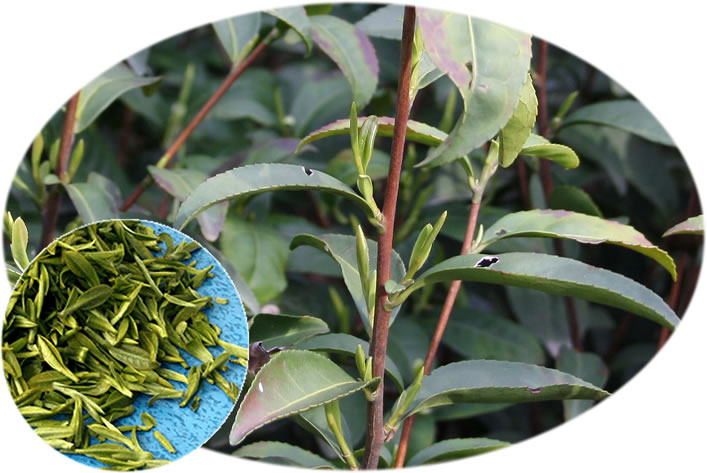
The raw Pu-erh teas are harvested and then gone through a traditional Pu-erh processing path, such as plucking, withering, Sha-Qing (杀青), rubbing and sun drying. The raw Pu-erh teas reflect largely the natures of their origin, such as tea trees types, hills, mountains and areas of the Yunnan Province where they are harvested from. Premium Raw Pu-erh teas display clear source definitions and these differences are much appreciated by the raw Pu-erh consumers, such as aroma, texture, level of bitterness, level of astringency and aftertaste Hui-Gan (回甘) etc.
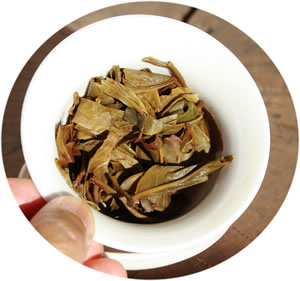
The ripened Pu-erh on the other hand are more a result of its processing, more specifically the skills of Ou-Dui. The source definitions mentioned above are almost diminished by the Ou-Dui process. A ripened Pu-erh’s quality is judged by very different set of criteria, a major part being the absence of a phenomenon called Suo-Hou (throat locking -锁喉), the rough and unpleasant sensations in the throat caused by certain chemicals released during the Ou-Dui.
A raw Pu-erh tea therefore can be seen as more a product of nature and ripened a product of nurture. The implication of this is that when a consumer is considering of purchasing a Pu-erh product, the judgement should be based on different sets of criteria.
Recent Articles
-
Can I drink white tea every day?
Absolutely! The Chinese say it is Ok not to have food for 3 days, but not without tea for a day. Like all other Chinese teas, green tea, yellow tea,…
-
Pu-erh white frost vs mould
I was again approached by a customer today to say there was some ‘mould’ discovered on an aged Pu-erh tea cake received, which is actually the ‘white frost’. I thought…
-
Is Ok to drink green tea every day?
Green tea has had a consumption history in China for more than 2000 years. The Chinese say “it is Ok to go with food for 3 days, but not without…
-
Is it Ok to drink Jasmine tea every day
Absolutely. Jasmine tea has been consumed in China for nearly 800 years, especially in certain regions such as the Fuzhou area of the Fujian province. Tea is food in China….
-
Green teas handmade vs machine-made
Green teas have been traditional hand made in China and Japan for millenniums. It is labor intensive and inevitably keeping the tea prices up. I have recently visited a green…
-
How to tell a Pu-erh quality by its wet leaves
A well aged Pu-erh tea is a sought-after product in the Pu-erh community. There are various methods however to make a Pu-erh tea looking like aged, eg high temperature &…