Oolong/Wulong tea preparation and storage guide
By Valley Green Tea
Posted On February 22, 2008
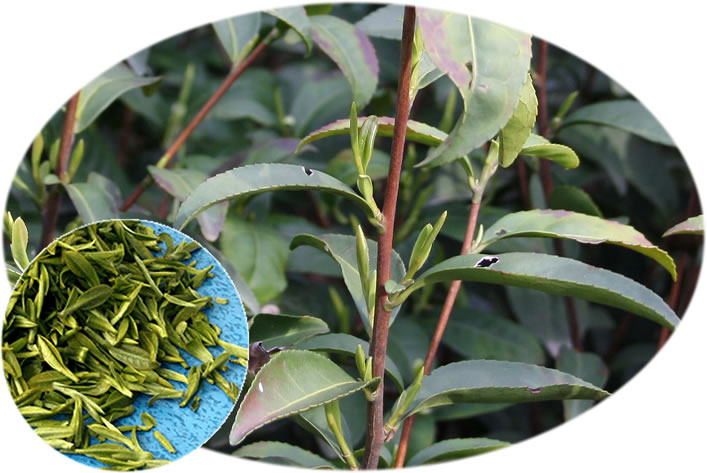
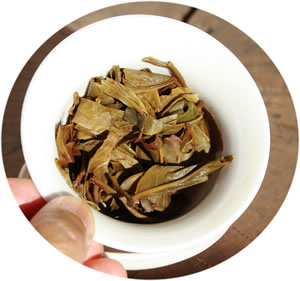
Oolong/Wulong teas are semi-fermented and made of mature tea leaves (ie note the difference to green teas which have more tender and young tip leaves).
How to prepare:
- Warm up the tea vessel with freshly boiled water.
- Quantity of tea leaves: about 1/2 tea spoon for a cup or 1-2 per small tea pot. The strength of the tea could be adjusted to personal preference by adjusting the amount of the tea leaves put in, or tea brewing time.
- Pour the freshly boiled water (100oC) into the tea vessel, rinse the tea leaves for about 5 seconds and dispose the water.
- Add freshly boiled water, allow to brew for about 30 seconds before serving.
- Repeat infusions: The tea leaves can be used for repeat infusions for up to 3-5 times depending on the tea varieties by just topping up with hot water. Only dispose the leaves until the flavor is not more. Increase brewing time by about 30 seconds with each additional infusion.
Hint:
- Most of premium Chinese teas are hand handled. We always recommend to rinse the Oolong tea leaves for up to 10 seconds before brewing.
- Recommended tea vessel: a premium Zi Sha teapot or a Gaiwan is ideal, alternatively one of the authentic Chinese tea sets will serve all your needs.
- Oolong tea could be made reasonably strong without inducing any bitterness to its taste.
- Do not soak tea leaves (eg, leaving the leaves in the liquid in a big pot for a long period). Use a small tea vessel wherever it is possible. Freshly made and freshly served teas taste best.
Oolong/Wulong teas’ storage:
- store in a cool, dry place that is absent from foreign odour and direct sun light;
- keep unopened satchels sealed until it is ready to be used.
- Tie Guan Yin is more sensitive to high temperature than the other Oolong teas. Keep the unopened satchels refrigerated.
To purchase our premium Oolong/Wulong teas, please go to: OOLONG/WULONG TEA .
Recent Articles
-
Can I drink white tea every day?
Absolutely! The Chinese say it is Ok not to have food for 3 days, but not without tea for a day. Like all other Chinese teas, green tea, yellow tea,…
-
Pu-erh white frost vs mould
I was again approached by a customer today to say there was some ‘mould’ discovered on an aged Pu-erh tea cake received, which is actually the ‘white frost’. I thought…
-
Is Ok to drink green tea every day?
Green tea has had a consumption history in China for more than 2000 years. The Chinese say “it is Ok to go with food for 3 days, but not without…
-
Is it Ok to drink Jasmine tea every day
Absolutely. Jasmine tea has been consumed in China for nearly 800 years, especially in certain regions such as the Fuzhou area of the Fujian province. Tea is food in China….
-
Green teas handmade vs machine-made
Green teas have been traditional hand made in China and Japan for millenniums. It is labor intensive and inevitably keeping the tea prices up. I have recently visited a green…
-
How to tell a Pu-erh quality by its wet leaves
A well aged Pu-erh tea is a sought-after product in the Pu-erh community. There are various methods however to make a Pu-erh tea looking like aged, eg high temperature &…