Understand the real differences of green teas
By Valley Green Tea
Posted On February 23, 2016
Green tea Family
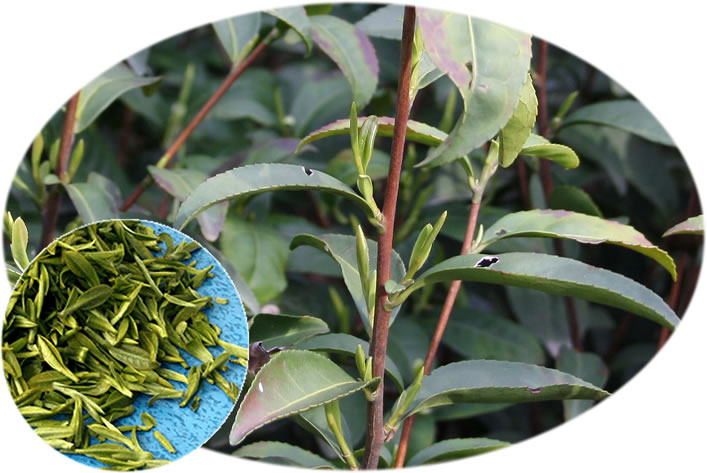
Quite different from commercial green tea bags, green tea is the biggest family of Chinese teas with more than 300 in varieties in the family and there is a vast quality difference within each variety.
Green teas are unfermented and most sensitive to tea damaging factors such as high temperature, light and moisture.
A case report
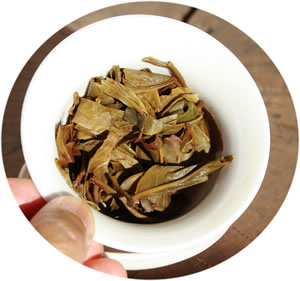
A case report: A friend showed me one day a ‘special high quality Dragon Well green tea’ that she was given as a gift. She treasured it and kept in her cabinet for quite some time. Up inspection of the tea, it appeared to be quite a premium grade Dragon Well when fresh, but unfortunately was reduced to dry twigs after prolong and inadequate storage.
How to differenciate low vs high quality green tea
Following are some differences that distinguish between a premium fresh green tea and a low quality or lost quality tea:
|
Characters |
Premium fresh green tea |
Low grade green tea |
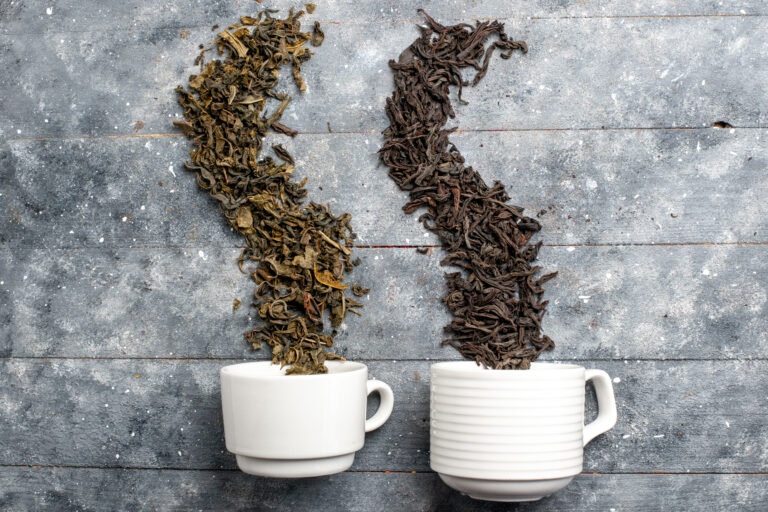
| Dry leaf colour | Fresh, vibrant, yellow-green to dark green | Old, dull, dark brown |
| Dry leaf shape |
Regular and to the shape of the tea variety (flat, needle or curl/spiral) |
Irregular, loose and random |
|
White down (an indication of volume of young leaves) |
Plenty, fresh, and attached to the leaves | Absence, old and brown or fallen off |
| Aroma (both leaves and brew) |
Fresh, enjoyable and refreshing | Absence |
| Brew colour | Bright and clear | Lifeless or cloudy |
| Brew texture | Smooth | Rough |
| Flavour |
Varies depending on the tea variety, mellow, elegant and refreshing (eg, nutty, floral or fruity) |
Lack of flavour or mouldy |
| After taste | Lingering and refreshing | Nil or rough and unpleasant |
Reasons for the quality differences
There are many factors contributing to the green teas quality, from tea plants, harvesting, tea making skills to the final packaging and storage. More information at: tea quality.
Finding a good tea
A good cup of tea is illustrated by the ancient Chinese artist as ‘drew from haven’, yet some low grade teas are really not worth drinking.
Treat you tea experience as a journey of discovery, knowledge gathering, experimenting and joy and satisfaction. We Chinese have loved our teas for more than 2000 year. It is a beverage that has stood the test of time and green tea is certainly a jewel on the crown.
Recent Articles
-
Can I drink white tea every day?
Absolutely! The Chinese say it is Ok not to have food for 3 days, but not without tea for a day. Like all other Chinese teas, green tea, yellow tea,…
-
Pu-erh white frost vs mould
I was again approached by a customer today to say there was some ‘mould’ discovered on an aged Pu-erh tea cake received, which is actually the ‘white frost’. I thought…
-
Is Ok to drink green tea every day?
Green tea has had a consumption history in China for more than 2000 years. The Chinese say “it is Ok to go with food for 3 days, but not without…
-
Is it Ok to drink Jasmine tea every day
Absolutely. Jasmine tea has been consumed in China for nearly 800 years, especially in certain regions such as the Fuzhou area of the Fujian province. Tea is food in China….
-
Green teas handmade vs machine-made
Green teas have been traditional hand made in China and Japan for millenniums. It is labor intensive and inevitably keeping the tea prices up. I have recently visited a green…
-
How to tell a Pu-erh quality by its wet leaves
A well aged Pu-erh tea is a sought-after product in the Pu-erh community. There are various methods however to make a Pu-erh tea looking like aged, eg high temperature &…