Drink to a slimmer body
By Valley Green Tea
Posted On June 20, 2014
Contemporary research results have portrayed tea as ‘a functional food product for the management of weight’ (Clinical Reviews in Food Science and Nutrition 2002).
According to a recent report from the Australian Bureau of Statistics, two-thirds of adult Australians are overweight or obese and many young children are heading in the same direction. Overweight becomes an issue of both image and health in general and the sufferers are seeking solutions from all sources.
It has been reasonably established that tea is effective in reducing body fat composition by various mechanisms, though generally speaking in two main areas: increasing body fat consumption and reducing fat formation.
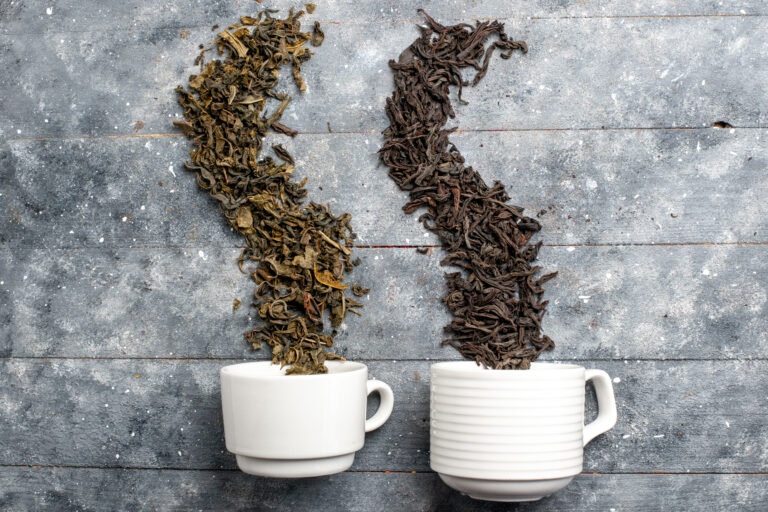
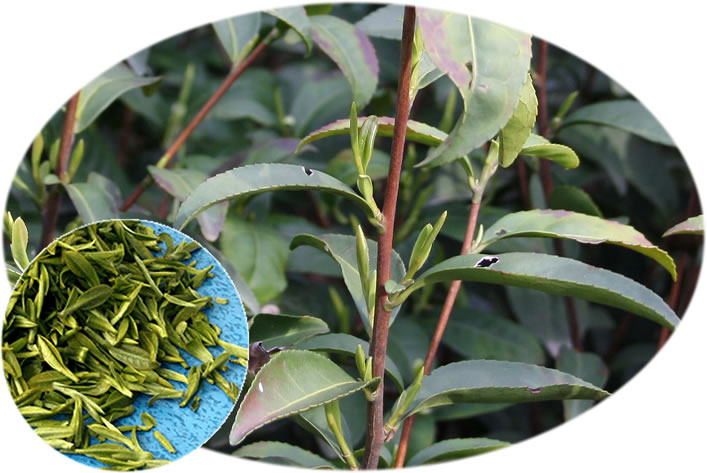
Teas can be divided into two main families: conventional tea made of ‘Camellia Sinensis’ leaves (from unfermented green tea to semi-fermented Oolong tea and fully fermented black tea); and herbal teas made from all parts of other plants. Most of the contemporary researches have gone into studying teas made of ‘Camellia Sinensis’ (green tea, white tea, Oolong tea and black tea etc), although other herbals such as lotus leaf and Gynostemma have also been analysed in the area of obesity treatment.
To combat weight problems, we see many consumers taking up tea drinking. Some achieve much better results than others. Here are a few challenges, but these may be helpful in achieving a lasting result.
Firstly
Tea is a beverage, not a medicine. It regulates body fat deposit and oxidisation through its regular consumption. Its effect is moderate, but lasting. The Chinese say ‘you cannot drink a cup of hot tea in a hurry’, the same principle applies to trying to lose weight though drinking tea. One’s body metabolism rate is a balancing act. There are many rapid weight loss programmes currently on the market claiming to produce weight loss almost immediately. Most of them force the body energy consumption expenditure out of balance in such a forceful way that, as soon as the programme is finished, the balance not only bounces right back but is also likely to overshoot, like stretching an elastic band or spring. People often gain back more weight than they lost.
Secondly
Tea consumption should be part of a weight management package, but not the single solution. For example, we encourage people to gradually replace their sugar rich beverage with tea; drinking tea without sugar or milk to maximise the benefits in both weight reduction and other aspects; snack healthily, and use all opportunities to remain active. Relying on tea alone but retaining an unhealthy life style is bound to lead to disappointment in terms of weight loss.
Finally
Stop worrying about which tea is the most powerful one for weight loss. There are six main categories of Chinese teas (green tea, white tea, yellow tea, Oolong tea, black tea and Pu-erh tea/Hei Cha), all with weight-reducing effects. There are also herbal blends combining various herbs and teas with different weight-reducing mechanisms to make the recipe more effective than a single tea alone. My advice to people is always to find the tea(s) you enjoy drinking and make it part of your life style. The health benefits of long term tea consumption, including weight reduction, are far greater than using the ‘most powerful’ tea for just a period.
Recent Articles
-
Can I drink white tea every day?
Absolutely! The Chinese say it is Ok not to have food for 3 days, but not without tea for a day. Like all other Chinese teas, green tea, yellow tea,…
-
Pu-erh white frost vs mould
I was again approached by a customer today to say there was some ‘mould’ discovered on an aged Pu-erh tea cake received, which is actually the ‘white frost’. I thought…
-
Is Ok to drink green tea every day?
Green tea has had a consumption history in China for more than 2000 years. The Chinese say “it is Ok to go with food for 3 days, but not without…
-
Is it Ok to drink Jasmine tea every day
Absolutely. Jasmine tea has been consumed in China for nearly 800 years, especially in certain regions such as the Fuzhou area of the Fujian province. Tea is food in China….
-
Green teas handmade vs machine-made
Green teas have been traditional hand made in China and Japan for millenniums. It is labor intensive and inevitably keeping the tea prices up. I have recently visited a green…
-
How to tell a Pu-erh quality by its wet leaves
A well aged Pu-erh tea is a sought-after product in the Pu-erh community. There are various methods however to make a Pu-erh tea looking like aged, eg high temperature &…