Hei cha’s health benefits
Hei Cha has been known in Chinese culture as nourishing teas (养身茶) for a long time, especially in the areas of lowering blood sugar and cholesterol levels and assist in…

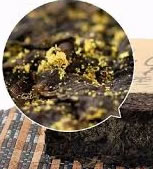
Hei Cha has been known in Chinese culture as nourishing teas (养身茶) for a long time, especially in the areas of lowering blood sugar and cholesterol levels and assist in…
Hei (黑) translates into black and Cha (茶) translates into tea in English. Hei (黑) Cha (茶) is however not the traditional black tea in the English term. The western classification…
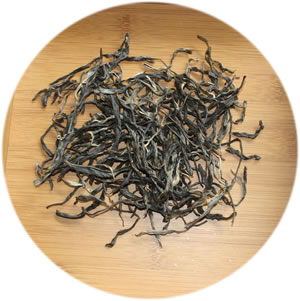
Pu-erh Mao Cha (毛茶) is term used to describe the harvested tea leaves, gone through the basic processing such as withering, rubbing, Sha-Qing (killing green), drying and sorting, but before…
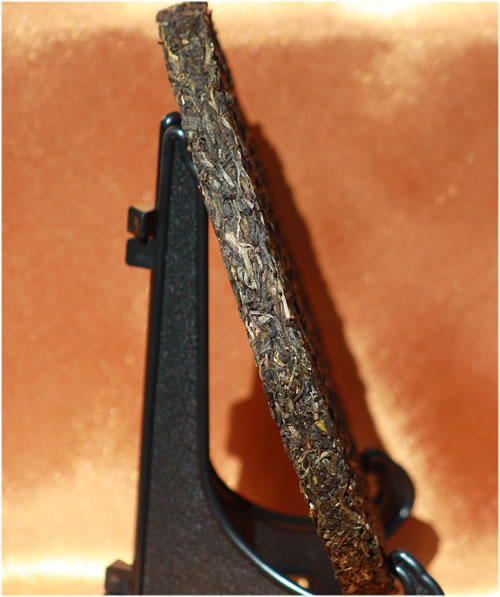
Pu-erh Iron cakes Pu-erh iron cakes are hard compressed Pu-erh cakes and is a product of 70’s. It is a relatively newer product – product of machinery manufacturing instead of…

Pu-erh tea leaves are graded into 11 grades, special, and 1-10 based on the level of the tenderness of the tea leaves judged by: the proportion of tip leaves with…
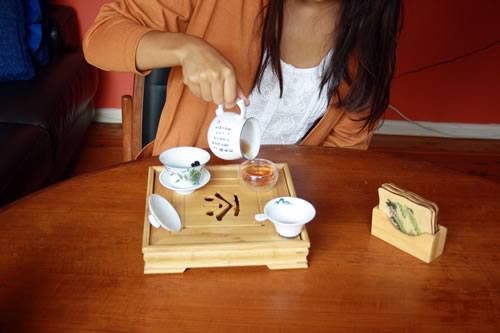
It is almost impossible to talk about a tea without water, from cultivation to the final stage of tea brewing. The ‘tea water separation’ discussed here is however a different…
It is well understood among the Pu-erh tea drinkers now that the older a Pu-erh tea is, the better the quality. Like many other foods that maturity is part of…
There are various aroma types used to describe a Pu-erh teas: Aged aroma Once a green Pu-erh is produced, it is routinely stored for at least few years before its…
Suo Hou (锁喉) is a sign of poor quality pu-erh. It is a sensation of ‘sandy’, ‘tight’ or roughness in the throat when drinking. It is more likely to happen…
© 2025 Valley Green Tea. All rights reserved.